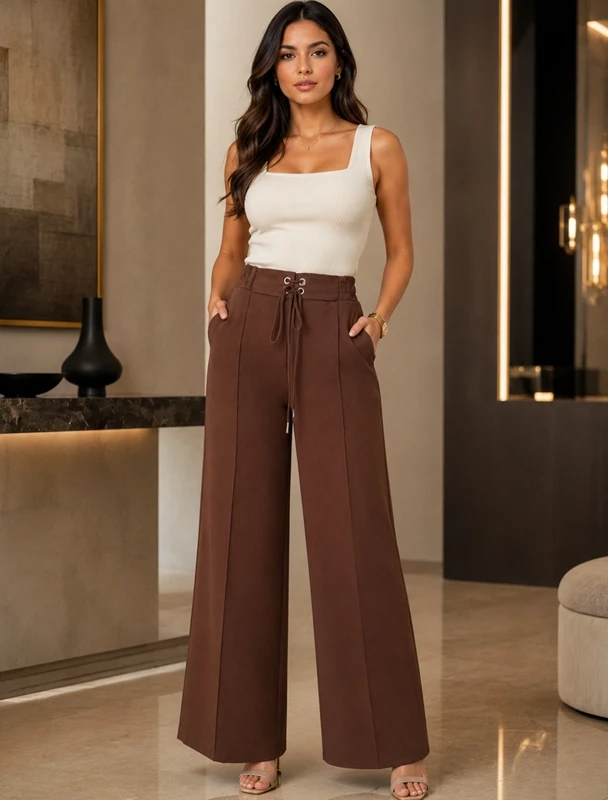
China has one of the most developed garment supply chains in the world.
From fabrics and trims to printing, embroidery, cutting, sewing, pressing, and packaging, almost every part of apparel production can be completed within a highly developed manufacturing ecosystem.
For overseas buyers, however, finding a supplier in China is not difficult.
The real challenge is finding a reliable source garment factory that can support your business for the long term.
Many buyers focus mainly on price when they place their first order.
But once bulk production begins, they quickly realize that unit price is only one part of the purchasing decision.
What really affects your business is whether:
Quality remains consistent, delivery is reliable, repeat orders can be produced quickly, and problems are handled properly when they occur.
That is why more wholesalers, importers, and fashion brands prefer to work directly with garment manufacturers.
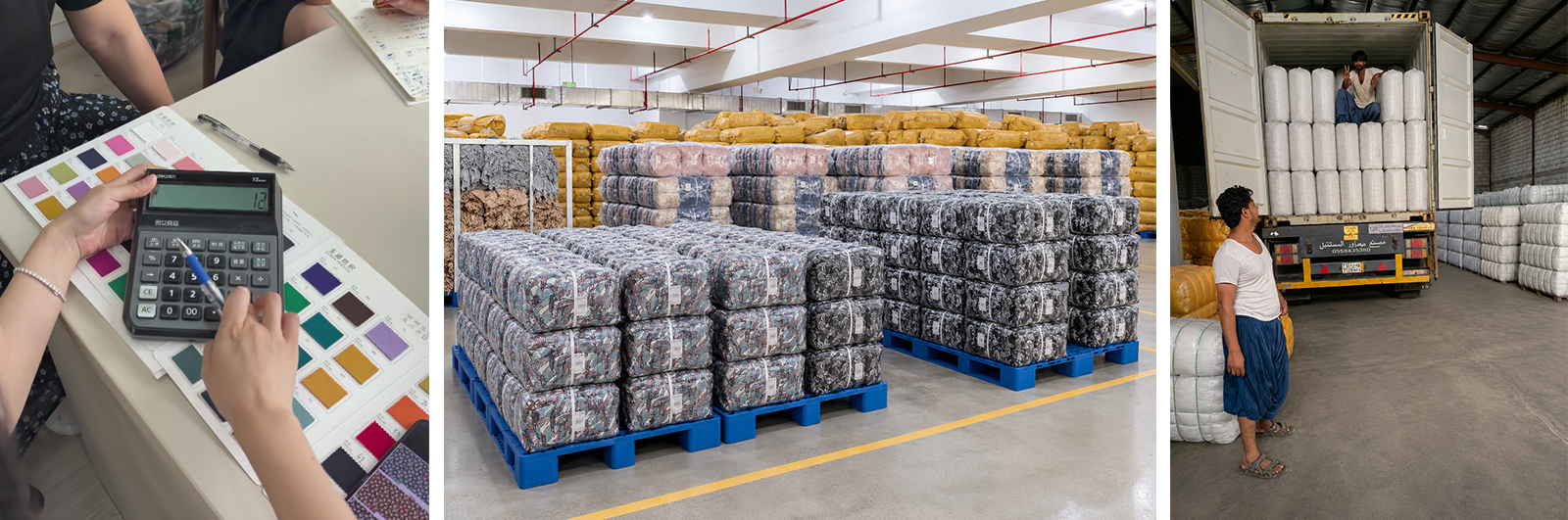
Why can prices for the same garment vary so much between suppliers?
Because the cost of a garment is not just the fabric.
It also includes:
cutting, labor, trims, printing or embroidery, packaging, material loss, quality control, and production management.
When your supplier is not the actual manufacturer, additional margins may be added between you and the factory.
Working directly with a source factory gives you a clearer understanding of:
where your money is actually going.
For large-volume orders, even a small difference in unit cost can become significant when multiplied across tens of thousands of garments.
However, a professional factory should not simply offer the lowest possible price.
The goal should be to find the right balance between your target price and the quality required for your market.
A good sample does not automatically mean good bulk production.
The real test of a garment supplier begins when an order moves from a few samples to thousands or tens of thousands of pieces.
A source factory can directly control major production stages, including:
fabric inspection, cutting, sewing, measurement control, workmanship inspection, pressing, and packing.
When these processes are managed under one production system, consistency is generally easier to maintain.
For example, problems such as:
color variation, measurement differences, uneven stitching, incorrect print placement, or inconsistent trims
can directly affect the sellability of an order.
For wholesalers and fashion brands, consistent bulk quality is often more valuable than an unusually low initial quotation.
Fashion moves quickly.
A style may suddenly become a bestseller, and buyers may need additional stock immediately.
When there are too many layers between the buyer and manufacturer, every production decision has to pass through several parties.
That slows down repeat orders.
A source factory can directly evaluate:
fabric availability, production schedules, cutting capacity, and sewing capacity.
Factories with established production systems and available material inventory may also respond faster to urgent orders and replenishment.
For a clothing wholesaler, a slow restock can mean more than a delayed shipment.
It can mean losing an entire selling opportunity.
OEM and ODM production is much more complicated than simply copying a picture.
Turning an idea into a finished garment may require confirmation of:
patterns, fabrics, fabric weight, colors, sizing, trims, printing, embroidery, labels, and packaging.
When these requirements pass through several intermediaries, important details can easily be misunderstood.
Working directly with the factory shortens the communication chain.
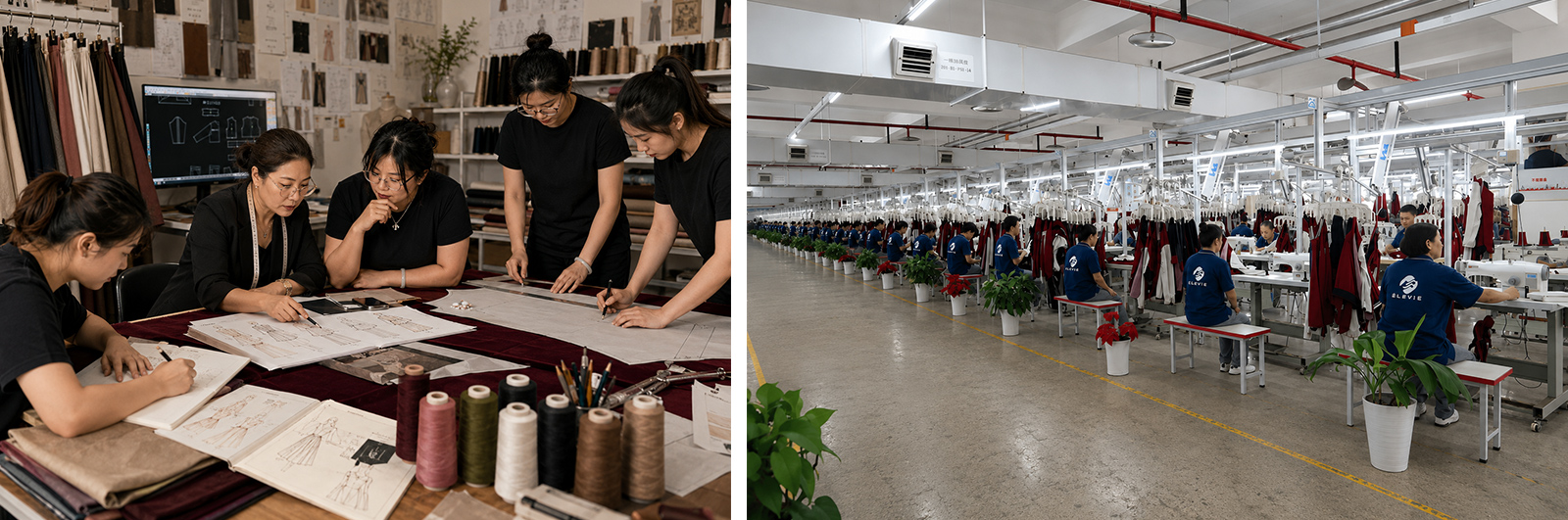
Pattern makers, fabric sourcing teams, merchandisers, and production teams can understand the buyer's requirements more efficiently.
This becomes especially important when revisions are needed.
The shorter the communication process, the faster problems can usually be solved.
No garment production process is completely free from problems.
The difference between suppliers is not whether a problem will ever happen.
The real difference is:
Can they identify the cause, solve the problem quickly, and prevent it from happening again?
For example, issues involving:
fabric shrinkage, color differences, measurement problems, or workmanship defects
can usually be traced directly to a specific production stage when you work with the factory.
When several trading layers exist between the buyer and manufacturer, responsibility can become unclear and problem-solving may take much longer.
For long-term partnerships, problem-solving ability can be more important than a slightly cheaper quotation.
For small orders of dozens or hundreds of pieces, many suppliers may be able to help.
But as your order volume increases, real manufacturing capacity becomes much more important.
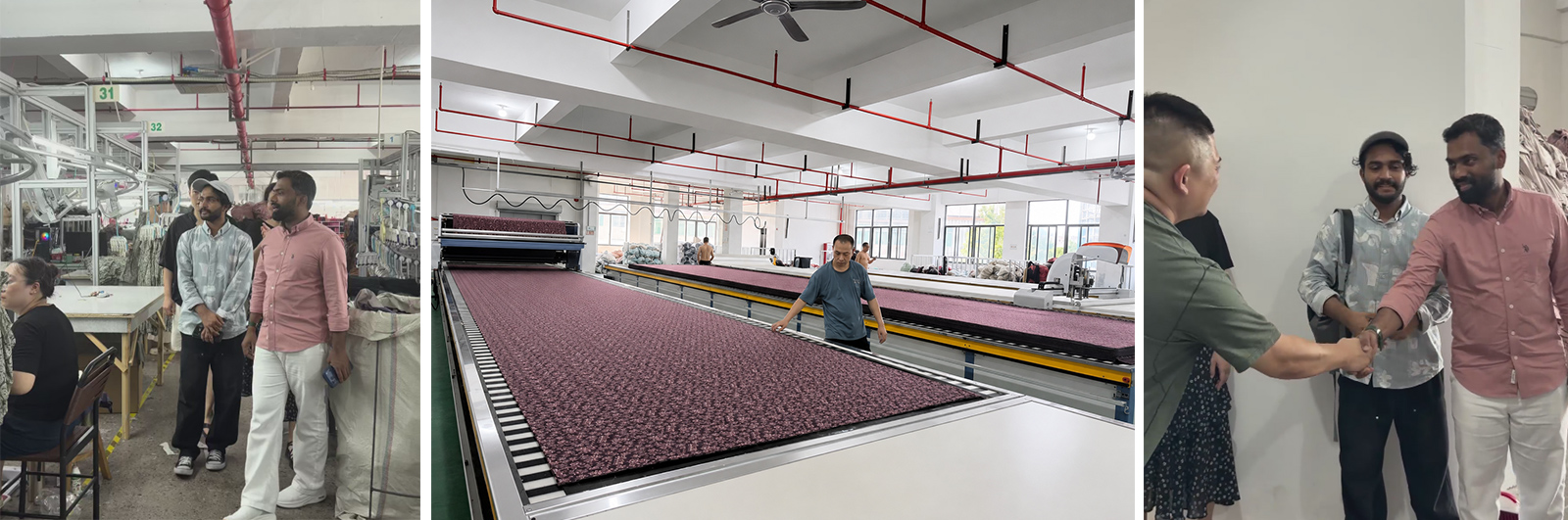
Before placing large-volume orders, buyers should understand the supplier's actual production capability.
Important factors include factory size, cutting equipment, number of production lines, daily capacity, QC systems, fabric and finished-goods inventory, and experience with large orders.
A genuine source factory should be able to show customers how production actually works, not only provide product photos and catalogs.
For wholesalers, the most profitable products are rarely purchased only once.
Usually, the process is:
the first order sells well, followed by repeat orders and continuous restocking.
A valuable supplier therefore needs to deliver more than one successful shipment.
The real goal is:
consistent quality from the first order to the second, third, and every order after that.
As cooperation develops, a factory also learns more about your market.
Which colors sell better?
Which size ratios work best?
Which fabrics do your customers prefer?
Which packaging methods are more suitable for your distribution channel?
This knowledge builds over time.
Constantly changing suppliers just to save a small amount on unit price can make it difficult to build this kind of supply-chain efficiency.
Price is important.
But the cheapest quotation does not always result in the lowest total purchasing cost.
Saving a small amount per garment may not be worthwhile if the order later experiences:
quality problems, production delays, missed selling seasons, measurement inconsistencies, or customer complaints.
A more professional sourcing decision should evaluate:
Price + Quality + Delivery + Capacity + Communication + Service
These factors together determine the real value of a garment supplier.
A good long-term manufacturing partner does not necessarily have to be the cheapest supplier.
But it should provide:
transparent quotations, consistent quality, reliable lead times, efficient communication, responsible problem-solving, and enough production capacity to support your growth.
For wholesalers, importers, and fashion brands, finding a reliable garment manufacturer in China is therefore more than simply finding another supplier.
It is about building a stronger supply chain for your business.
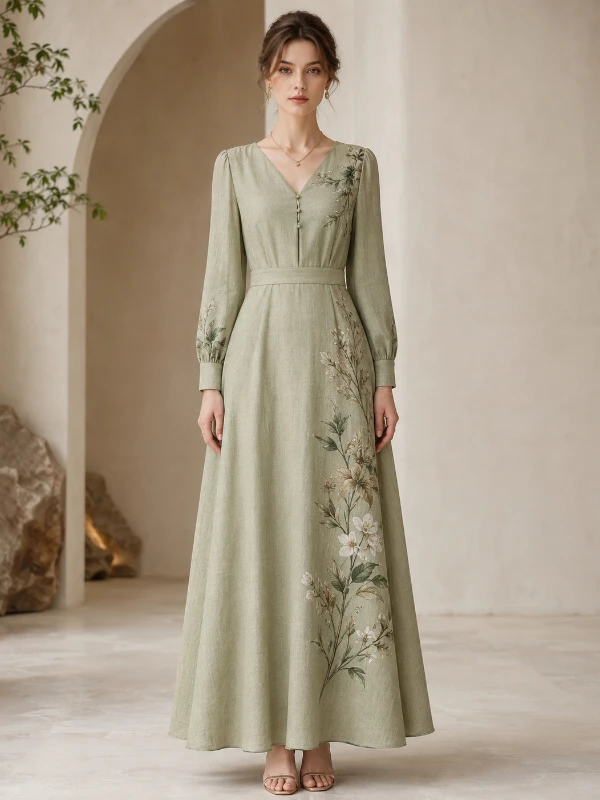
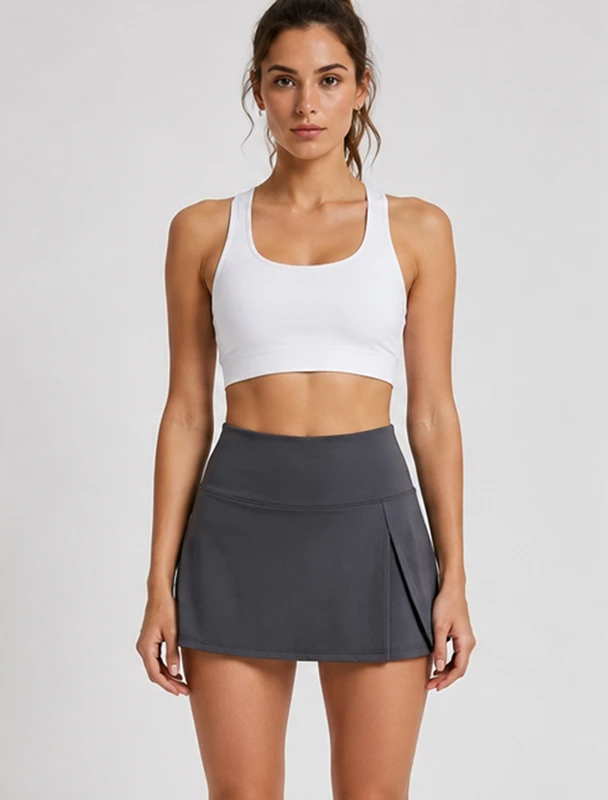
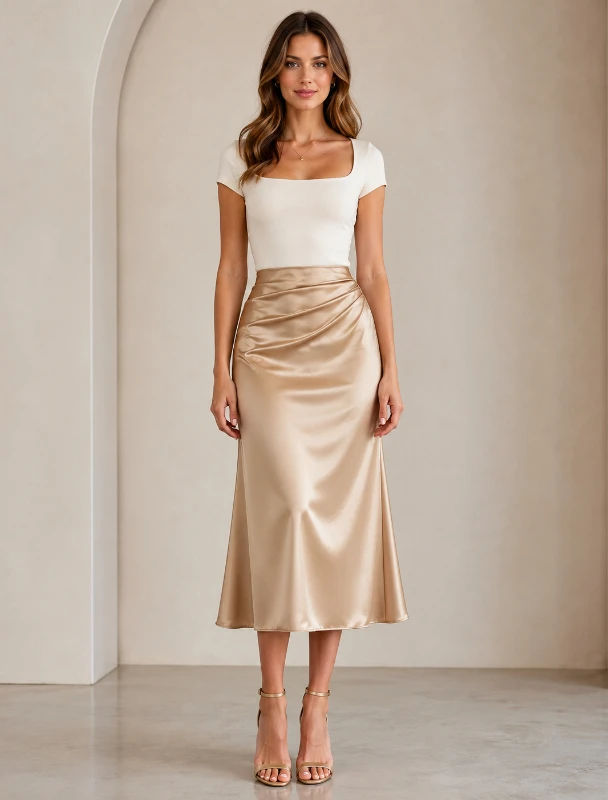
ELEVIE GARMENTS specializes in women's apparel manufacturing and wholesale production, including loungewear, casual sets, sportswear, dresses, and women's pants.
Our goal is not only to produce one order.
We aim to support our customers through fabric selection, sample development, OEM/ODM services, bulk production, and repeat-order support.
If you are looking for a women's clothing manufacturer in China, send us your product images, designs, quantities, or sourcing requirements. Our team can help recommend suitable production solutions based on your market, order quantity, and target price.