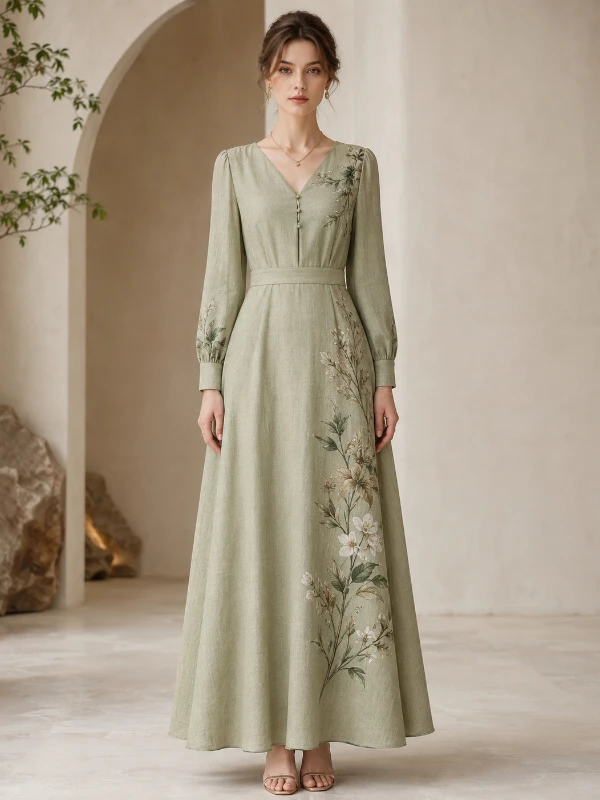
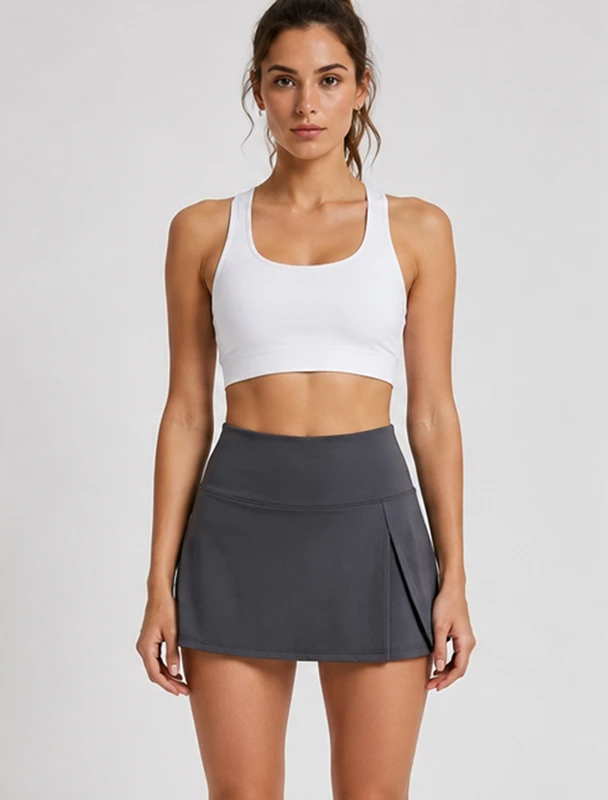
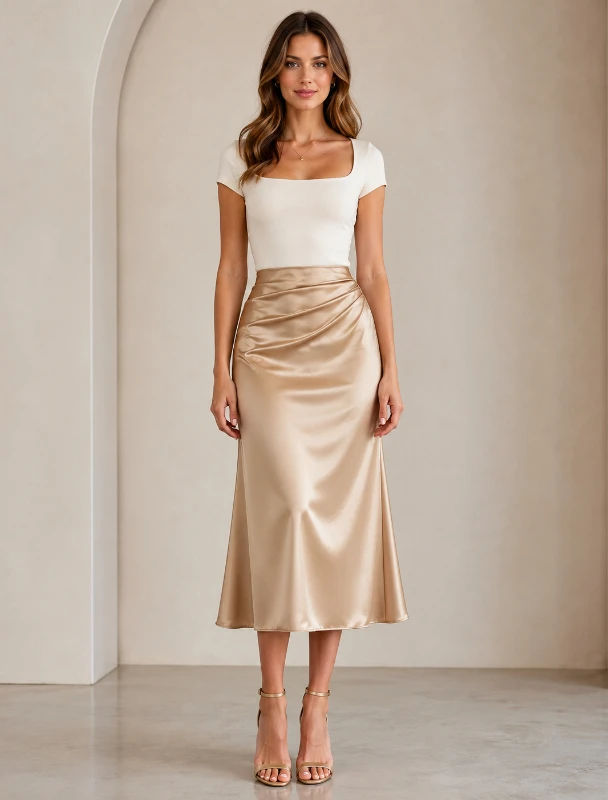
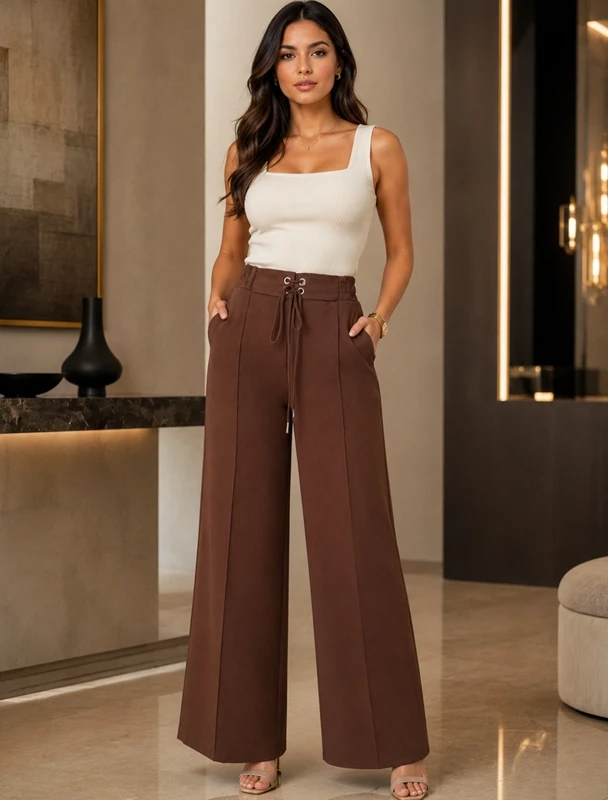
The same dress design can look completely different when made with a different fabric.
In garment development and bulk production, fabric affects much more than just how a garment feels. It can directly influence the drape, silhouette, comfort, visual appearance, production difficulty, and overall quality of the finished garment.
Chiffon, satin, and rayon are all widely used in women’s fashion, especially for dresses. However, each fabric creates a very different result.
If you want a lightweight and flowing look, chiffon may be the better choice. If you are looking for shine and a more premium appearance, satin is often more suitable. If softness and everyday comfort are more important, rayon can be a practical option.
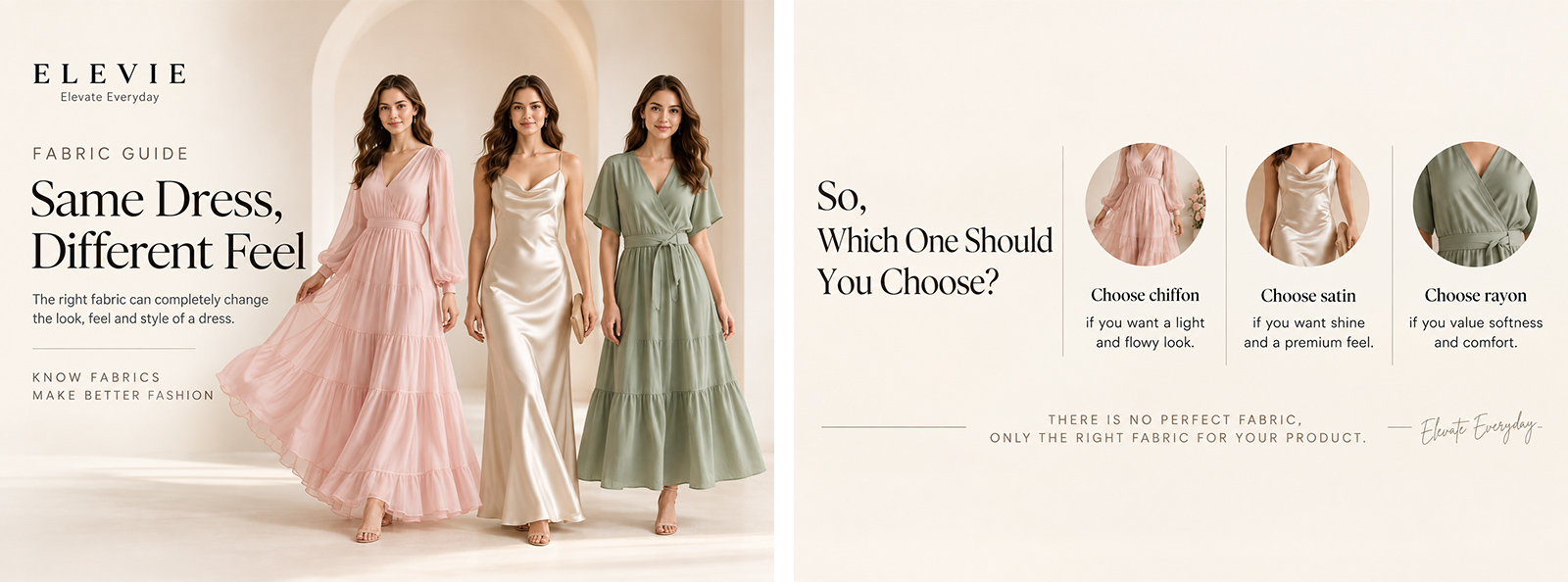
So before choosing a fabric, the most important question is not:
“Which fabric is better?”
It is:
“What kind of garment do you want to create?”
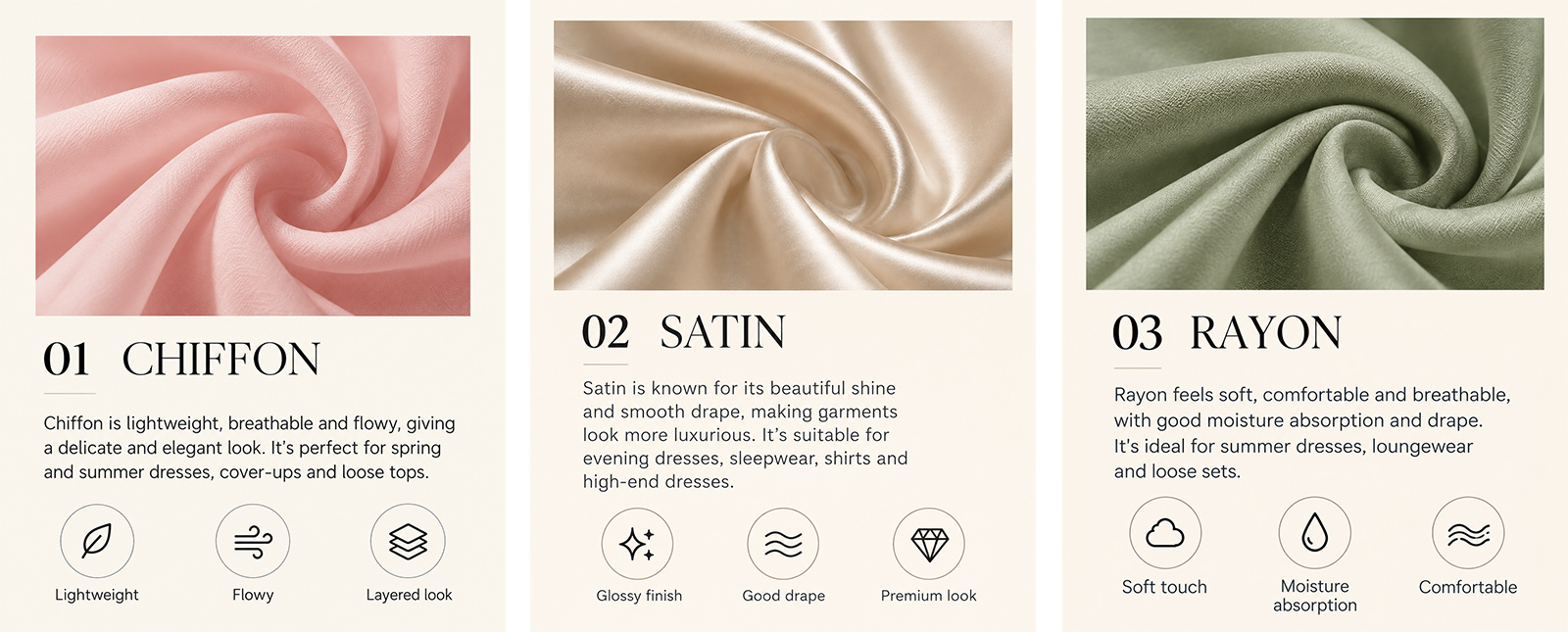
One of the biggest advantages of chiffon is its lightweight, soft, and flowing appearance.
Because the fabric moves naturally when worn, it can create beautiful layers and a feminine silhouette.
This makes chiffon especially popular for spring and summer womenswear.
Chiffon is commonly used for:
● Spring and summer dresses
● Maxi dresses
● Cover-ups
● Loose blouses
● Women’s tops
● Layered skirts
For garments designed to look feminine, light, and elegant, chiffon can create a very attractive visual effect.
Although chiffon is lightweight and elegant, there are a few production issues to consider.
First, some chiffon fabrics can be relatively sheer, especially in lighter colors.
When chiffon is used for dresses, a lining may be necessary depending on the fabric weight, color, and garment design.
Second, some lightweight chiffon fabrics can be more sensitive to snagging.
Extra care may therefore be required during:
● Cutting
● Sewing
● Finishing
● Packing
● Transportation
Lightweight feel, flowy movement, layering, femininity, and a spring/summer look.
The most recognizable feature of satin is its smooth surface and attractive sheen.
Under natural or artificial lighting, satin reflects light beautifully, giving garments a more refined and luxurious appearance.
Compared with many everyday fabrics, satin is often chosen when the design needs a more elegant or premium visual effect.
Satin is commonly used for:
● Evening dresses
● Premium dresses
● Women’s shirts
● Pajamas
● Occasion wear
● Fashion sets
It works especially well for garments where shine, drape, and visual impact are important.
Satin usually requires more attention during production than many standard fabrics.
Because of its smooth and sometimes delicate surface, small production defects can become more visible.
Common issues may include:
● Snagging
● Pulled threads
● Pressure marks
● Uneven stitching
● Puckered seams
● Improper pressing marks
For this reason, satin garments require better control during cutting, sewing, pressing, and finishing.
Shine, elegant drape, refinement, occasionwear styling, and a premium appearance.
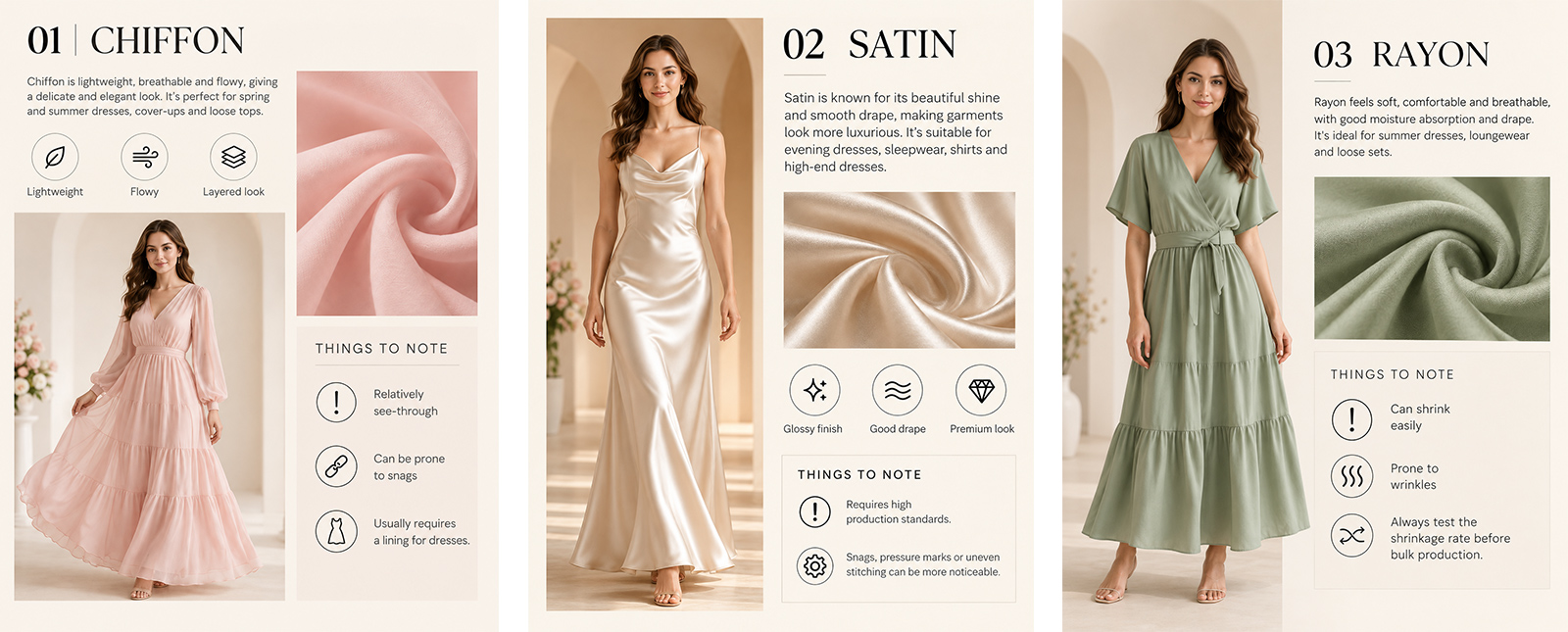
Rayon is widely used in women’s clothing because of its soft hand feel, good moisture absorption, comfortable drape, and wearability.
Compared with chiffon and satin, rayon usually creates a more relaxed and natural appearance.
This makes it especially suitable for everyday fashion.
Rayon is commonly used for:
● Summer dresses
● Maxi dresses
● Loungewear
● Loose-fitting sets
● Women’s pants
● Casual tops
For products that focus on comfort and daily wear, rayon can be a very practical fabric choice.
Two common concerns with rayon are:
Shrinkage and wrinkling.
If shrinkage is not tested before bulk production, garment measurements may change after washing.
This can become an important quality issue, especially for large-volume orders.
For this reason, we normally recommend testing the fabric shrinkage rate before cutting bulk production.
For rayon fabrics that wrinkle easily, pressing, folding, and packing methods should also be considered in advance.
Softness, comfort, moisture absorption, natural drape, and everyday wearability.
|
Fabric |
Finished Garment Effect |
Common Applications |
Key Production Considerations |
|
Chiffon |
Lightweight, flowy, layered |
Dresses, maxi dresses, cover-ups, blouses |
Sheerness, snagging, possible lining |
|
Satin |
Glossy, smooth, premium-looking |
Eveningwear, pajamas, premium dresses |
Snagging, pressure marks, sewing and pressing quality |
|
Rayon |
Soft, natural, comfortable |
Summer dresses, loungewear, casual sets |
Shrinkage, wrinkles, pre-production testing |
The answer depends on the final effect you want to achieve.
If you want the dress to look light, flowing, and layered, chiffon may be a better option.
If you want stronger shine, drape, and a more premium appearance, satin may be more suitable.
If your priority is softness, comfort, and everyday wearability, rayon is often a practical choice.
However, buyers and fashion brands should also remember one important point:
Do not choose a fabric based only on its name.
Two fabrics both described as “chiffon,” “satin,” or “rayon” may still perform very differently.
The final result can be affected by:
● Fabric weight
● Fiber composition
● Weaving or knitting structure
● Finishing treatment
● Fabric quality
● Dyeing method
● Production process
Before starting bulk production, we recommend confirming several important factors.
These include:
● Hand feel
● Fabric weight
● Drape
● Transparency
● Shrinkage rate
● Colorfastness
● Wrinkle performance
● Sample garment appearance
These factors often provide much more useful information than simply checking a small fabric swatch.
In garment development, a good fabric is not necessarily suitable for every design.
What really matters is whether the fabric, pattern, product positioning, and production process work well together.
The same dress design can create completely different styles when produced in chiffon, satin, or rayon.
That is why we recommend confirming the fabric first, developing a sample, and evaluating the actual garment before moving into bulk production.
For fashion brands, wholesalers, and garment buyers, this process can help reduce:
● Product revisions
● Quality problems
● Size changes after washing
● Customer complaints
● Returns
● Bulk production risks
Choosing the right fabric at the beginning can save a lot of time and cost later.
Need help choosing the right fabric for your next collection?
ELEVIE GARMENTS provides fabric sourcing, sample development, OEM/ODM, and bulk production for women’s dresses, loungewear, casual sets, and more. Send us your design or target product, and our team can recommend suitable fabric options before sampling.